




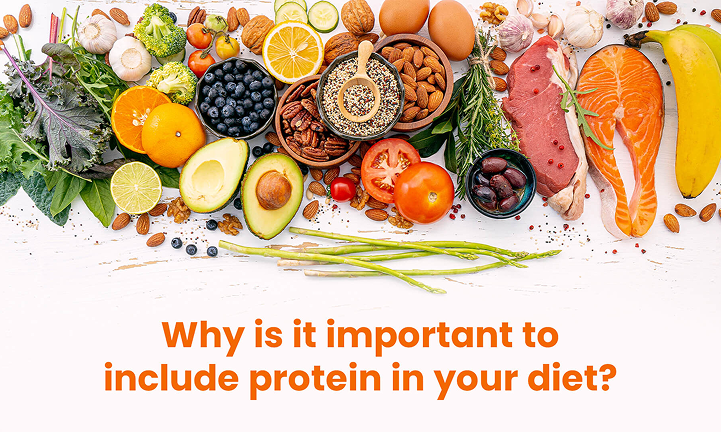
Protein is one of three essential macronutrients your body needs to function properly. It’s the building block of muscles, organs, hormones, and enzymes.

Building & Repair
Proteins are made up of amino acids that help build and repair muscle tissue, organs, skin, hair, and nails.

Energy Production
Proteins are made up of amino acids that help build and repair muscle tissue, organs, skin, hair, and nails.

Immune Support
Proteins form antibodies and immune cells that protect your body from infections and diseases.

Hormone Balance
Proteins help create important hormones that regulate metabolism, growth, mood, and reproductive functions.

Enzyme Function
Enzymes made from proteins facilitate thousands of chemical reactions essential for digestion and metabolism.

Satiety & Weight
Protein keeps you feeling fuller longer, supporting healthy weight management and reducing cravings.
Daily protein requirements vary based on age, activity level, and health goals. Here’s a general guide to help you determine your needs.

Sedentary Adults
per kg of body weight
Minimum requirement with minimal physical activity.

Active Adults
per kg of body weight
For those who exercise regularly 3-5 times per week.
Sedentary Adults
per kg of body weight
Minimum requirement with minimal physical activity.
Active Adults
per kg of body weight
For those who exercise regularly 3-5 times per week.

Athletes
per kg of body weight
For strength training, endurance sports, and muscle building.

Pregnant/Nursing
per kg of body weight
Additional protein needed for fetal development and lactation.
Athletes
per kg of body weight
For strength training, endurance sports, and muscle building.
Pregnant/Nursing
per kg of body weight
Additional protein needed for fetal development and lactation.
Quick Calculation Example
For a 70kg person who exercises regularly:
With Threptin’s 7g protein per biscuit, that’s approximately 12-14 biscuits spread throughout the day to meet your protein goals.
Research consistently shows that adequate protein intake provides numerous health benefits beyond just muscle building.

Muscle Growth & Maintenance
Protein provides amino acids essential for building and preserving lean muscle mass, especially important as we age.

Heart Health
Studies show adequate protein intake supports cardiovascular health and helps maintain healthy cholesterol levels.

Bone Strength
Protein works with calcium to maintain bone density and reduce the risk of fractures and osteoporosis.

Metabolism Boost
Protein has a higher thermic effect than other macronutrients, meaning your body burns more calories digesting it.

Faster Recovery
Post-exercise protein helps repair muscle damage, reduce soreness, and accelerate recovery time.

Better Mood
Amino acids from protein help produce neurotransmitters like serotonin and dopamine that regulate mood.
When you need a convenient, portable protein source, Threptin provides 7g of high-quality protein per biscuit. Perfect for busy lifestyles, travel, or as a snack between meals.
7g
Protein
100%
Vegetarian
50+
Years Trusted
7g
Protein
100%
Vegetarian
50+
Years Trusted

While total daily protein intake matters most, strategic timing can optimize muscle protein synthesis and energy levels.

Morning
Breakfast Boost
Start your day with 20-30g of protein to kickstart metabolism and reduce hunger throughout the day.
EXAMPLES:
Eggs, Greek yogurt, or Threptin biscuits with milk

Pre-Workout
Fuel Up
Consume protein 1-2 hours before exercise to provide amino acids for energy and muscle support.
EXAMPLES:
Protein shake, chicken, or a few Threptin biscuits

Post-Workout
Recovery Window
Within 2 hours after exercise, consume 20-40g protein to support muscle repair and growth.
EXAMPLES:
Whey protein, lean meat, or Threptin for quick protein

Between Meals
Smart Snacking
Protein-rich snacks between meals help maintain stable blood sugar and prevent overeating.
EXAMPLES:
Nuts, cheese, Threptin biscuits, or protein bars

Evening
Dinner Time
Include protein in your evening meal to support overnight muscle recovery and prevent muscle breakdown.
EXAMPLES:
Fish, tofu, legumes, or lean meats

Before Bed
Overnight Support
A small serving of slow-digesting protein can support muscle recovery during sleep.
EXAMPLES:
Casein protein, cottage cheese, or milk
Pro Tip: Spread It Out
Research suggests distributing protein intake evenly throughout the day (20-40g per meal) is more effective for muscle protein synthesis than consuming most of your protein in one large meal. Aim for 3-5 protein-rich meals or snacks daily.
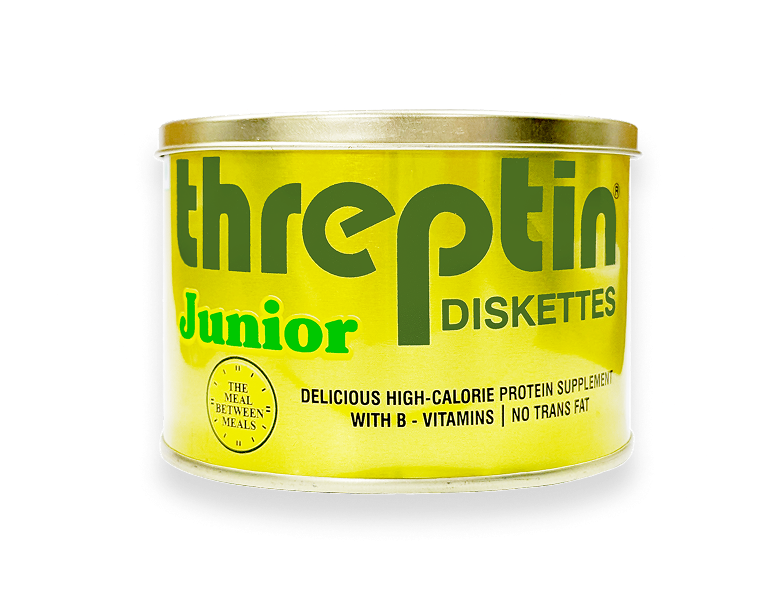
Now that you understand the importance of protein, make it easy with Threptin’s delicious, convenient protein biscuits. Each biscuit delivers 7g of high-quality protein to help you meet your daily nutritional goals.
7g
Protein Per Biscuit
50+
Years of Trust
100%
Vegetarian
1M+
Happy Customers